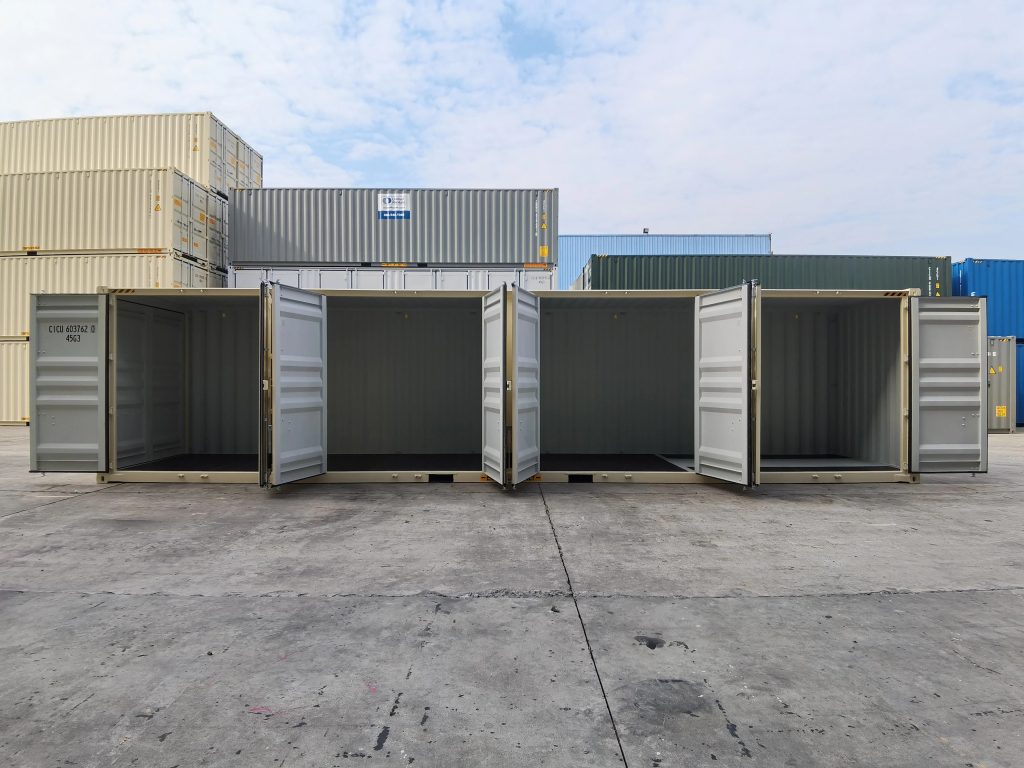
Why 20 Ft Container Is Everywhere This Year
Understanding the Capacity of a 20 Ft Container: A Comprehensive Guide
Shipping containers have ended up being the backbone of international trade, facilitating the motion of goods all over the world. Amongst cogcontainersltd , the 20-foot container— typically referred to as a TEU (Twenty-foot Equivalent Unit)— is among the most typically utilized. This article elaborates on the capacity of a 20 ft container, detailing its dimensions, volume, weight restrictions, and practical uses. We will also resolve frequently asked questions to provide clearness on this necessary topic.
Dimensions of a 20 Ft Container
The primary step in comprehending the capacity of a 20 ft container is to recognize its dimensions. Below is a table that sums up the basic dimensions:
Specification
Metric
Imperial
External Length
6.058 m
20 ft
External Width
2.438 m
8 ft
External Height
2.591 m
8.5 ft
Internal Length
5.898 m
19.4 ft
Internal Width
2.352 m
7.7 ft
Internal Height
2.385 m
7.9 ft
Door Width
2.340 m
7.7 ft
Door Height
2.280 m
7.5 ft
Volume and Weight Capacity
A 20 ft container has substantial storage capacity, making it a preferred choice for various shipping needs. The volume and weight limitations of a 20 ft container can be summed up as follows:
Container Type
Volume (Cubic Meters)
Weight Capacity (Gross)
Tare Weight
Net Weight Capacity
Standard (20 ft)
33.2 m ³ 24,000 kg
2,300 kg
21,700 kg
High Cube (20 ft)
38.0 m ³ 30,000 kg
2,600 kg
27,400 kg
- Volume: A basic 20 ft container holds around 33.2 cubic meters of cargo, while a high cube variation provides about 38 cubic meters.
- Weight Capacity: The maximum gross weight for a basic container is 24,000 kg, with a net weight capacity of about 21,700 kg. The high cube variation can hold up to 30,000 kg gross, enabling for a net weight of around 27,400 kg.
Practical Uses of a 20 Ft Container
The flexibility of a 20 ft container permits it to serve different functions across various markets. Some of the most typical applications include:
- Shipping Goods: This container is commonly utilized for international shipping of various products, from machinery to textiles.
- Storage: Many businesses utilize 20 ft containers as storage options on task websites, in storage facilities, or even for residential purposes.
- Mobile Offices: Modified 20 ft containers serve as momentary workplaces or work areas, especially in remote locations.
- Outdoor camping and Events: With appropriate modifications, containers can be converted into pop-up stores or recreational areas.
- Building: Containers are utilized as website workplaces, storage for building materials, and even as part of innovative building jobs.
Factors Affecting Capacity
Numerous factors can influence the effective capacity of a 20 ft container, such as:
- Type of Goods: The nature of the products being shipped can affect how they are packed. For instance, delicate items like glass wares require protective packing, while dense goods need to be stacked effectively.
- Loading Techniques: Knowledge of optimal loading methods can make the most of making use of space while maintaining weight limits.
- Container Condition: The state of the container plays an essential function; older or damaged containers may not appropriate for particular types of cargo.
- Legal Regulations: Compliance with regional and worldwide shipping regulations can restrict the type and amount of cargo that can be loaded.
Often Asked Questions (FAQ)
Q1: How lots of pallets can fit in a 20 ft container?
A: Typically, a 20 ft container can accommodate around 10 standard European pallets (120 cm × 80 cm) or about 8 basic American pallets (48 in × 40 in), depending upon the stacking height and plan.
Q2: What products are prohibited from being delivered in a 20 ft container?
A: Commonly restricted products include dangerous materials, combustible compounds, disposable items without sufficient refrigeration, and illegal items.
Q3: Can a 20 ft container be delivered by air?
A: Generally, shipping by air is not feasible for containers. Instead, goods should be loaded into an air freight unit.
Q4: What is the distinction in between a basic and a high cube 20 ft container?
A: The primary difference is height. High cube containers have to do with one foot taller than basic containers, offering additional volume for cargo however maintaining the very same length and width.
A 20 ft container acts as a crucial element in the logistics and shipping industry, offering a practical and flexible option for transferring goods worldwide. Comprehending its dimensions, weight capacity, and possible applications can help organizations make informed decisions about their shipping and storage needs.
By considering the numerous aspects that impact capacity and adhering to guidelines, shipping with a 20 ft container can be a smooth and efficient procedure. Whether for global trade or local storage options, this container remains an unfaltering option in the ever-evolving landscape of international commerce.